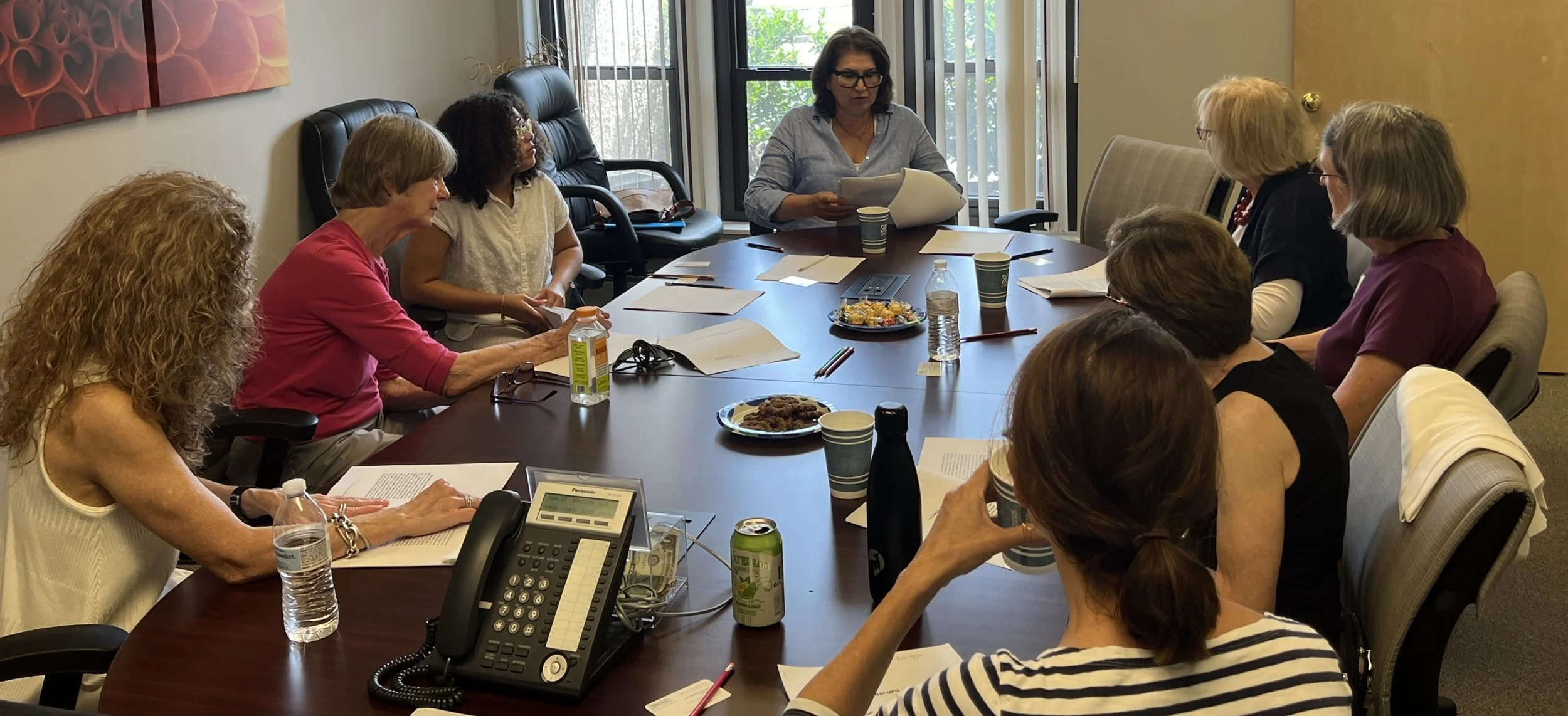
What Happens in a Guided Literature Discussion?
Discover what happens during a guided literature discussion and how reading aloud, thoughtful questions, and shared conversation create meaningful connections.
Discover what happens during a guided literature discussion and how reading aloud, thoughtful questions, and shared conversation create meaningful connections.
Coordinator
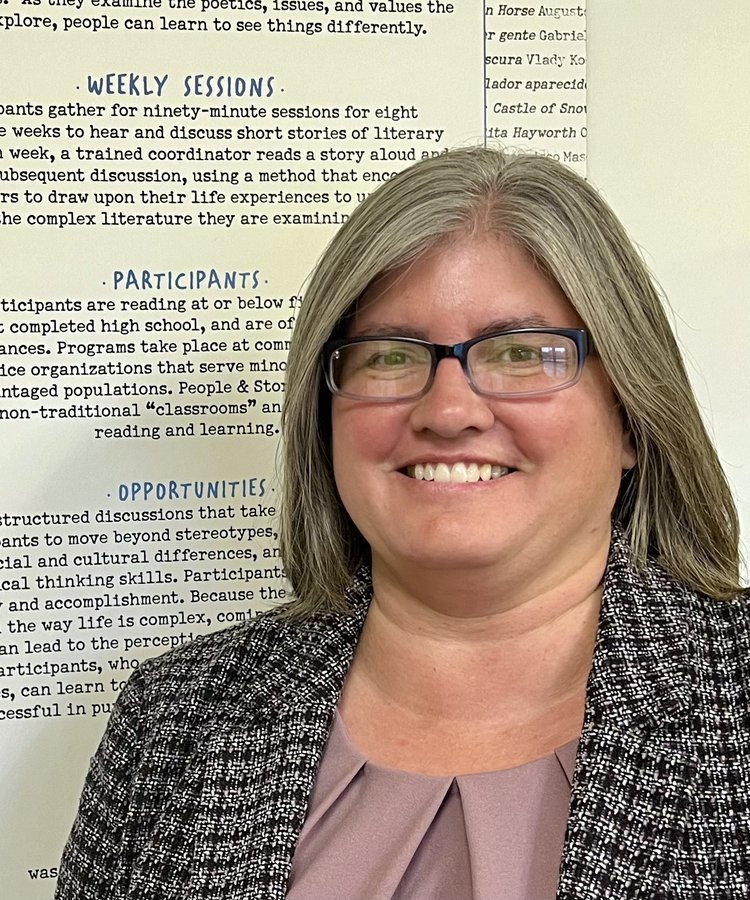
People and Stories/Gente Y Cuentos is such a worthwhile and important organization to support because literature belongs to everyone. Each person deserves to have his/her/their voice heard and experiences shared, and the programs offered by P&S/GyC provide the space for people to do so. Further, as our digital world causes us to become increasingly isolated, P&S/GyC is doing the opposite by creating opportunities for diverse groups of people to find community, commonality, and connection. I am honored and excited to be a part of this organization as a future coordinator, and I encourage others to support its mission in any way possible.
Executive Director
I never left Dennelisse without feeling inspired. The participants were open, engaged, and appreciative... Many of them said the program had deepened or reawakened their love of reading, and of writing their own stories. I felt privileged to have had this opportunity.
Executive Director
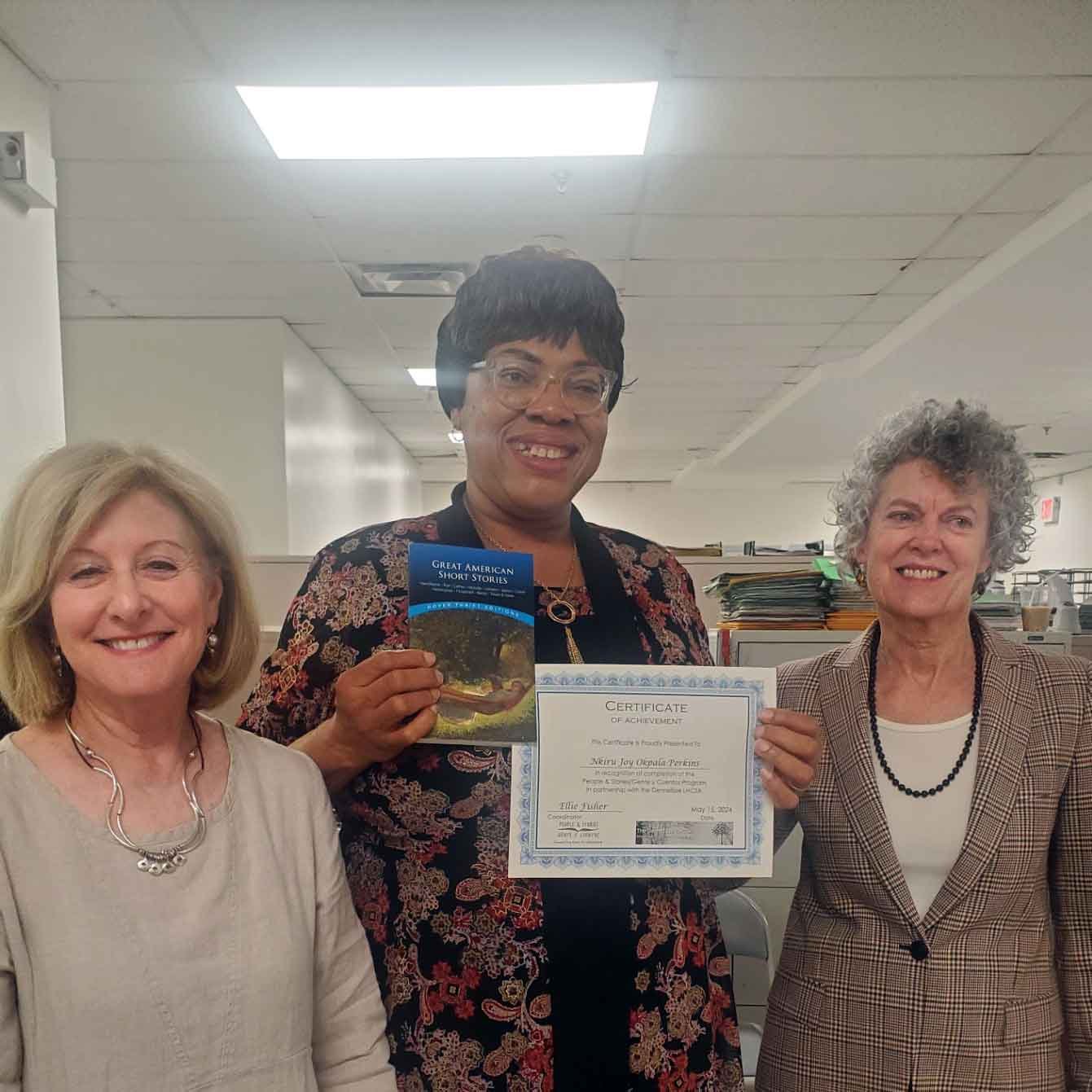
We had our last session at Dennelisse today. It was pretty fantastic. We filled out the surveys, read Aunt Cristina, and took pictures with a sheet cake I had brought them. It said, "To An Awesome Group" which they were. We combined both groups over three hours so I put them in smaller groups for part of our story discussion. It worked great. We read "Still I Rise" and from that, I gave them a writing prompt about finding their voice - as Cristina and Maya Angelou had. Their writings were so powerful. I concluded with a haiku one of them had written last week after reading Abalone. I had asked them to write one. Anthony wrote:
Secretary
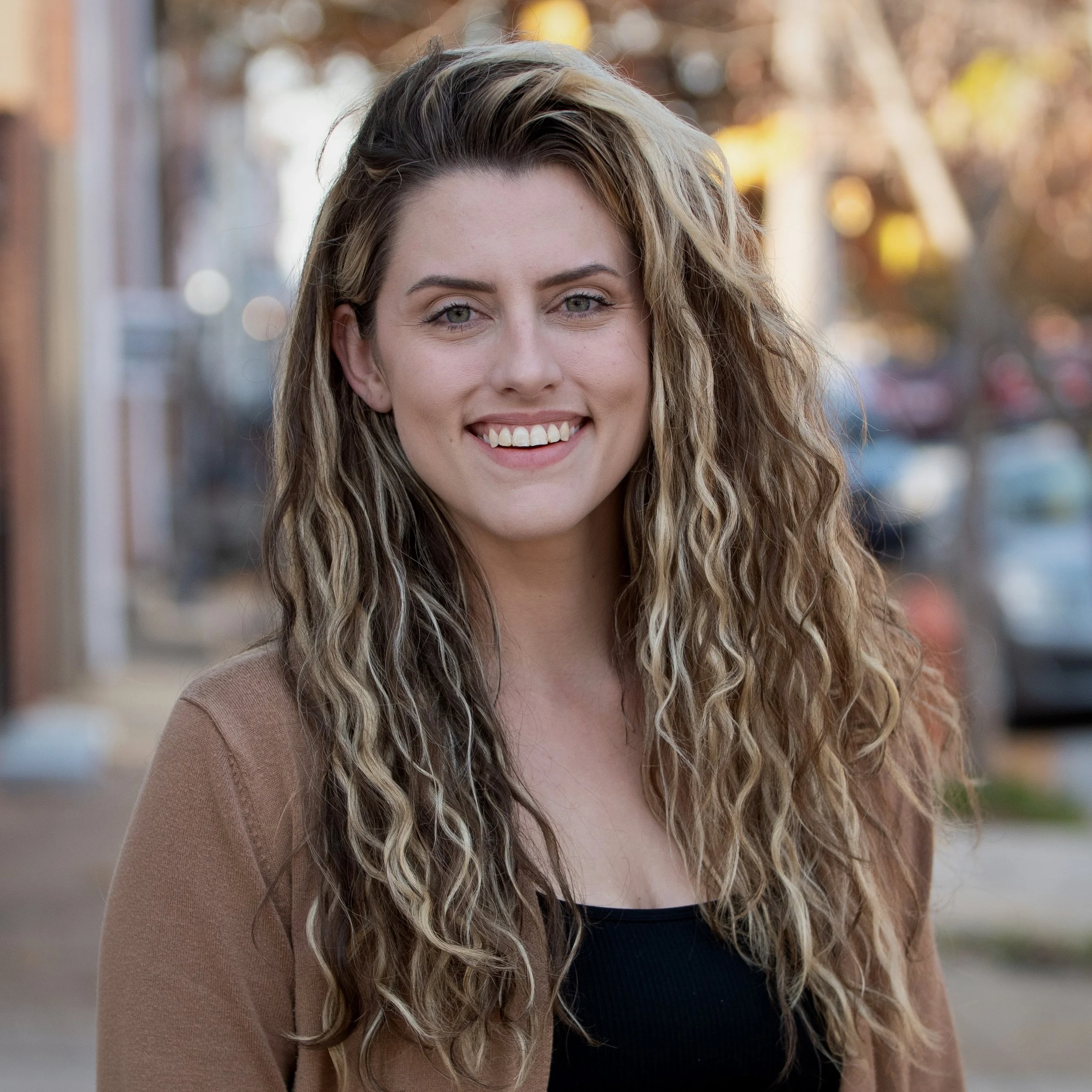
Cheyenne Wolf Caton serves as Development Coordinator with the Dravet Syndrome Foundation (DSF), the largest non-governmental funder of Dravet syndrome research worldwide. She brings nearly a decade of nonprofit development experience spanning donor engagement, corporate giving, matching gifts, and non-cash giving strategies, with several years as Executive Director of People & Stories/Gente y Cuentos. Cheyenne holds a degree in Psychology from William Paterson University, certifications in Social Media Marketing & Fundraising and Smart Giving, and is currently pursuing her Certified Fund-Raising Executive (CFRE) credential.
Executive Director
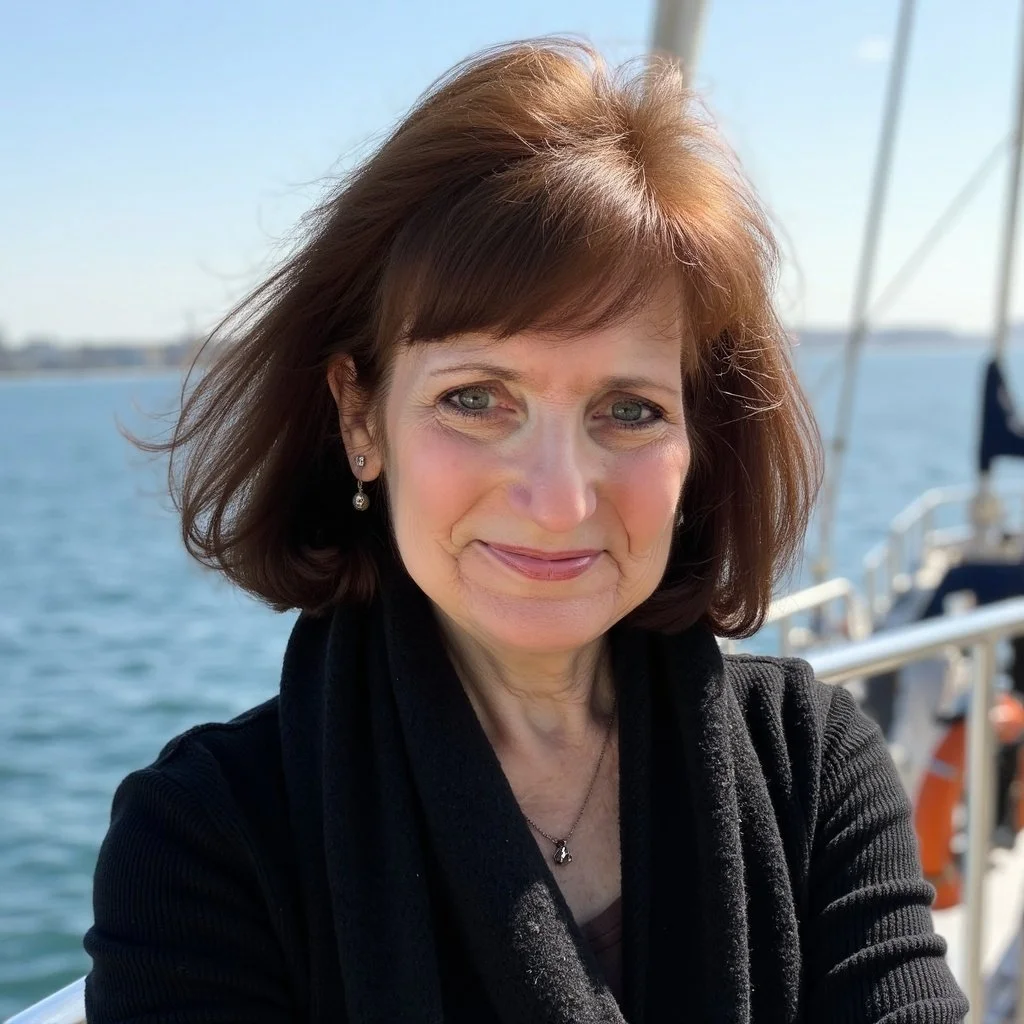
Debra Lampert-Rudman joined People & Stories/Gente y Cuentos in 2022 and has served as Executive Director since 2024. She brings more than 25 years of experience in the nonprofit, arts, humanities, education, and communications sectors. She oversees all aspects of the organization’s operations, including strategic planning, fundraising, program development, communications, community partnerships, and board relations.
Throughout her career, Debra has been drawn to organizations that use literature, the arts, and the humanities to enrich lives and strengthen communities. At People & Stories, she is honored to help expand access to the organization’s trademarked literature-based humanities programs, creating opportunities for people of all backgrounds to share ideas, discover new perspectives, and connect through meaningful discussion.
Debra holds a Master of Education degree in Curriculum and Instruction with an emphasis in Children’s Literature and Literacy from The Pennsylvania State University. Her professional background includes leadership roles in education, arts, humanities, communications, and cultural organizations, including service with Morven Museum & Garden, Barnes & Noble, and the Arts Council of Princeton. She is an award-winning author, educator, speaker, artist, and arts advocate. Her books have received national recognition, and her artwork has been exhibited in galleries, including a solo exhibition at the William Secord Gallery in New York City.
Today, Debra is focused on expanding access to literature-based humanities programs, strengthening community partnerships, and building a strong, diversified foundation of support to ensure that People & Stories can continue enriching lives and building community well into the future.
Debra may be reached at debra@peopleandstories.org.
Administrative Assistant
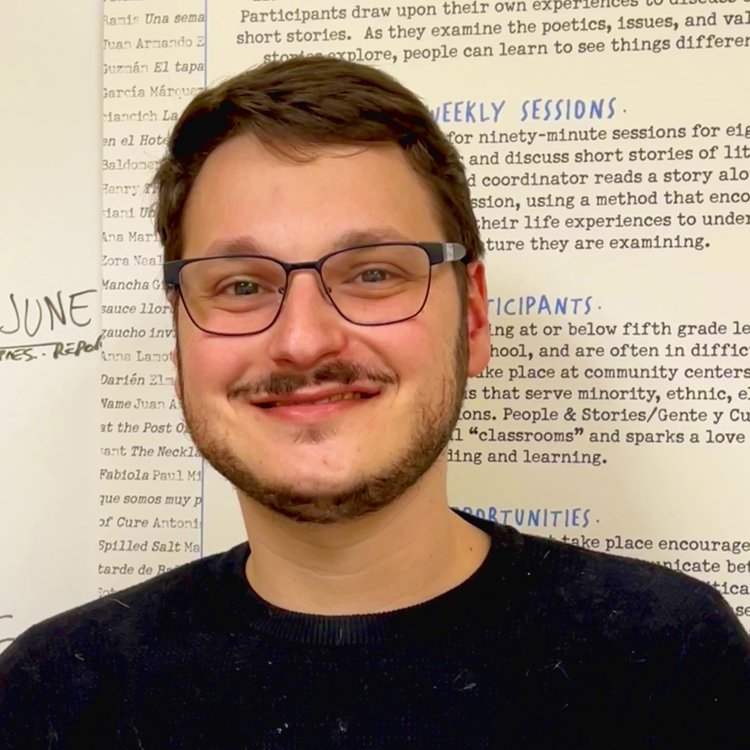
Joshua’s passion for language has led to a career in linguistics and literature. He obtained his BA in Linguistics and Spanish from the University of Pittsburgh where he also studied Portuguese and Luso-Brazilian culture. Joshua is fluent in English and Spanish, with moderate proficiency in Brazilian Portuguese. He continued his education at Syracuse University where he obtained his MA in Linguistics, specializing in sociolinguistics. Joshua's experience with linguistic research and Spanish teaching has contributed to the skills he utilizes in his work, including organizational, multitasking, and writing abilities, a keen attention to detail, the capacity to work efficiently with a team, as well as a capability to quickly learn new skills or systems as a task requires.
Co-Chair
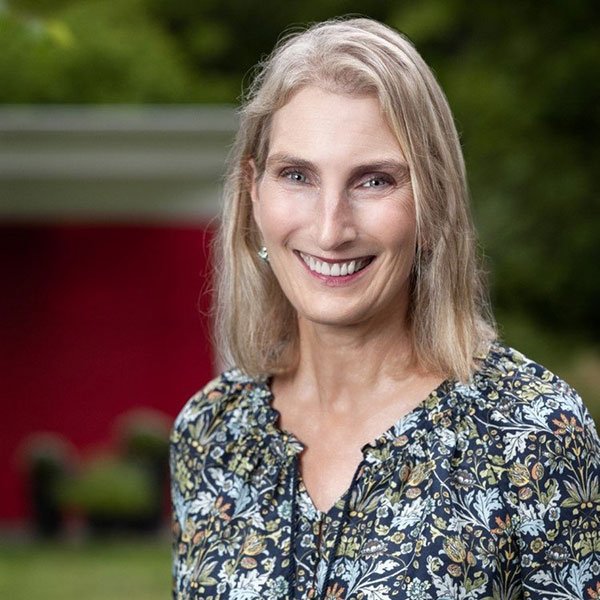
Charlotte Friedman is an author, poet, translator and teacher. For ten years, she taught Narrative Medicine at Barnard College and in the graduate program at Columbia University. Charlotte has conducted narrative medicine workshop series for clinicians in nursing homes and hospitals in New York, Connecticut and Israel. Her poetry appears in journals such as Timberline Review and Connecticut River Review and her translations of Ch’ol poetry (with Carol Rose Little) are published in World Literature Today, The Arkansas International and elsewhere.
“I joined the board of People & Stories because it’s an organization that offers a potent way to strengthen individuals and communities, that is, through stories. Whether written or told, shared stories boost our imaginations and fortify the bonds between us. "
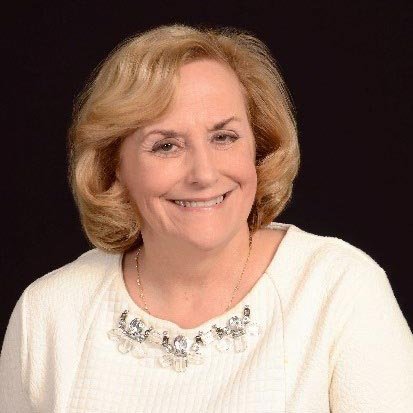
Cathryn Clary is currently serving as an independent pharmaceutical consultant after spending 28 years as a medical executive across the pharmaceutical and biotech industries. Previous to that, she practiced psychiatry and conducted research into new antidepressants. Cathryn has served as a board member and officer across multiple not-for-profit organizations, most recently, the Foundation Board for Mercer County Community College, where she served as Treasurer.
Cathryn Clary is currently serving as an independent pharmaceutical consultant after spending 28 years as a medical executive across the pharmaceutical and biotech industries. Previous to that, she practiced psychiatry and conducted research into new antidepressants. Cathryn has served as a board member and officer across multiple not-for-profit organizations, most recently, the Foundation Board for Mercer County Community College, where she served as Treasurer.
Treasurer
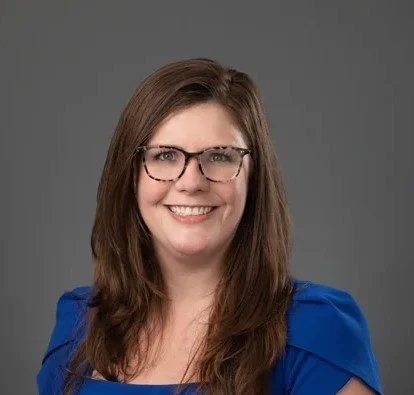
I am joining the People & Stories board because I value the role that literature and shared discussion play in building connection and community. With my background in nonprofit audits and financial oversight, I would enjoy contributing in a practical, hands-on way as Treasurer to support the organization’s continued growth and impact.
Board Secretary
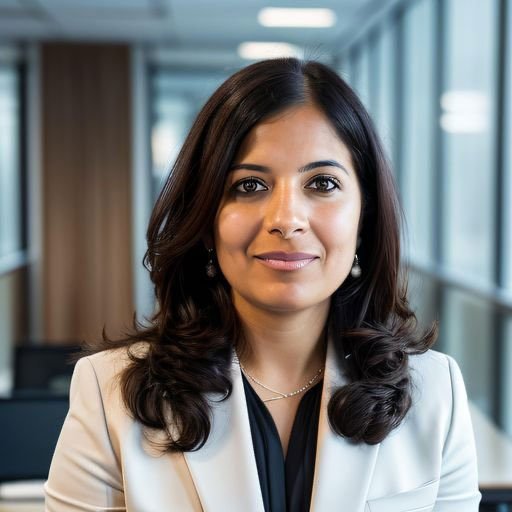
Priyanka Arora MBA MS has been Director of Strategy & Business Development at Wolters Kluwer (New York, NY) since 2019. She is accountable for global commercialization strategy and gaining market share for an online SaaS platform that includes $320m of product portfolio selling into multiple market segments globally. Priya works with all cross functional teams including Sales, Product Development, Training, Support, Pricing, Marketing and Finance, to guide and drive prioritization, roadmap, M&A pipeline as well as new content acquisition to help achieve targets and maximize profitability. Previously, from 2016-2019, she was Director of Product Strategy at Wolters Kluwer.
Priya has a Bachelor of Science in Statistics (University of Delhi), a Master of Science in Statistics (University of Akron, OH) and Executive MBA from Rutgers. She served on the Steering Committee of Medical Libraries Association Summit focused on DEI and Moving toward Equitable Health Sciences Knowledge Sharing (https://www.mlanet.org/page/insight-initiative-summit-6.)
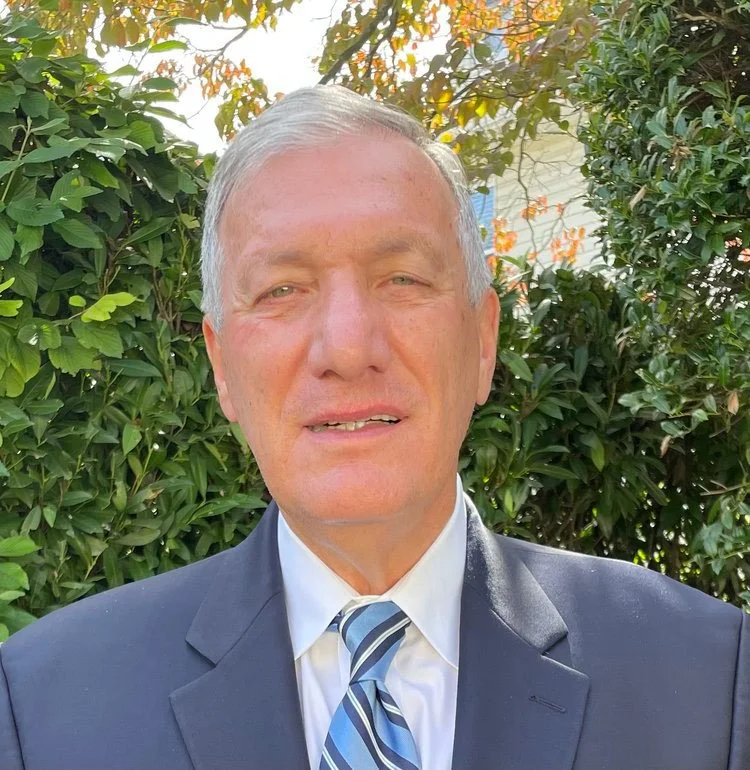
Charles "Charley" Busuttil holds a B.S. degree from Manhattan College in education and biology. He later went on to a master’s degree program, as a graduate fellow, at the University of Utah where he completed his M.S. degree in work physiology. Charley taught at Manhattan College in both the Schools of Education and Arts and Sciences
Charley has served as Director of Training at the Bank of New York and was also on the Board of Directors for the American Institute of Banking during this period. In this position, he also coached and worked directly with executives, which provided him with the opportunity to move into human resources management for the bank’s biggest sector (Securities Processing). Charley was later moved to a major lending subsidiary of the bank (BNY Financial) where he reported to the president as his HR director. Charley has served as Director of Human Resources at The Emigrant Savings Bank in New York City, later leaving the bank to join White & Case LLP, one of the world’s premier law firms. During his 16 years there, Charley held various HR positions from HR Director, Director of Employee Relations, to the Global Director of Human Resources Operations. Charley retired in April of 2022 and continues to do pro bono work for not-for-profit organizations, individuals, and other law firms.
I became part of People & Stories/GyC because I am passionate about promoting literacy worldwide and enhancing people’s lives through the power of reading and storytelling.
The Board is the heartbeat of our organization that works to keep alive the mission and vision of People and Stories. It allows me the opportunity to provide this support in a personal and meaningful way.
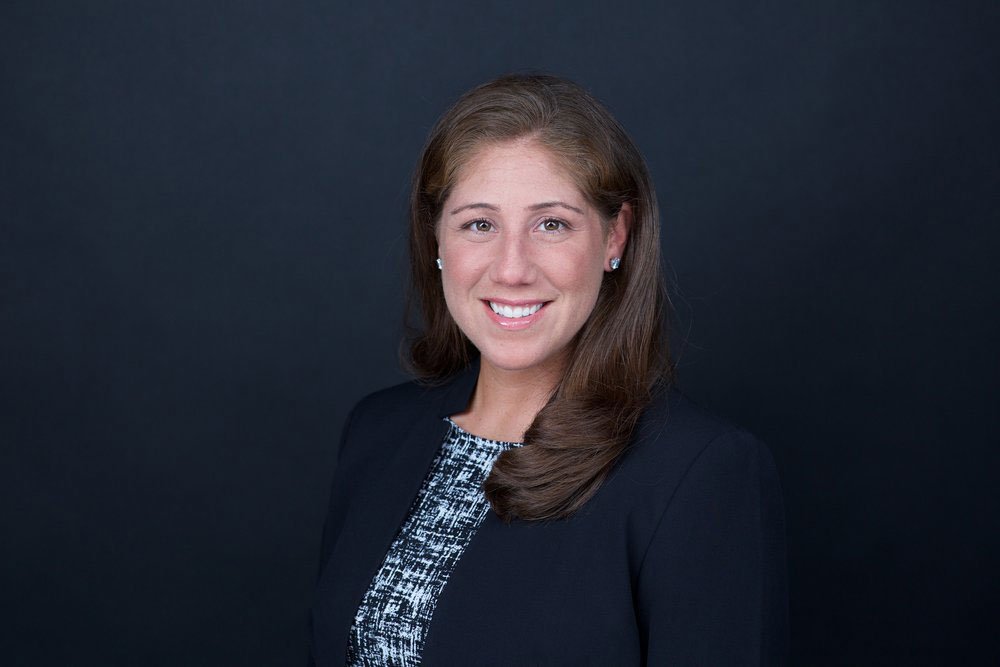
Board Chair
Margo Chaly was appointed Executive Director of the New Jersey Higher Education Student Assistance Authority by Governor Phil Murphy in March 2024. Immediately prior to her appointment, Margo served as Chief of Staff of the Authority since February 2021, during which time she played an important role in advancing the mission of the Authority and Governor Murphy’s affordability agenda. Prior to joining Governor Murphy’s Administration, Margo was Manager of Litigation & Operations at a law firm. Prior to that, she worked for more than a decade at multinational insurance companies. A first-generation Guatemalan-American and lifelong New Jersey resident, Margo holds a Juris Doctor from Seton Hall University School of Law and a Bachelor of Arts from Ithaca College.
It is exciting to support an organization that facilitates program participants sharing their personal perspectives and histories while responding to a short story, read aloud, in a safe and encouraging space, regardless of participants' life circumstances.
Sumanth Munipalli is Senior Director of Business Development & Partnership for the US Digital Health Services business at Samsung Electronics America. He is responsible for developing the GTM Strategy & Execution for various B2B & B2C Services (such as RPM / Corporate Wellness / Digital Insurance / Health & Fitness) utilizing Samsung's consumer devices such as Wearables / Phones & Applications. Sumanth has a Masters in International Business from the Indian Institute of Foreign Trade in New Delhi and Bachelors of Engineering from the University of Mysore, India.
Across close to 25 years of technology industry experience and 13 years of management experience building and leading high-performance business teams that have consistently exceeded expectations, Sumanth has expertise in areas such as: Business and Go-to-Market Strategy, Planning and Execution; all facets of Technology - business & technology consulting, integrated solutions, applications, business process, infrastructure services and product engineering services. He has led teams of 10+ and managed revenues of over $100 million. Additionally, Sumanth has institutionalized processes and reported to C-Suite executives and board members on various key initiatives and advised organizations on optimal processes and digital transformation.
In his words: “I am interested in a role that capitalizes on my experience and contributes to creating a difference to the community. My passion for reading and the difference that it can make in the world leads me to believe that I can specifically contribute my skills in an advisory capacity to People and Stories. I have the drive, energy and leadership to make a significant contribution.”
“I am interested in a role that capitalizes on my experience and contributes to creating a difference to the community. My passion for reading and the difference that it can make in the world leads me to believe that I can specifically contribute my skills in an advisory capacity to People and Stories.”
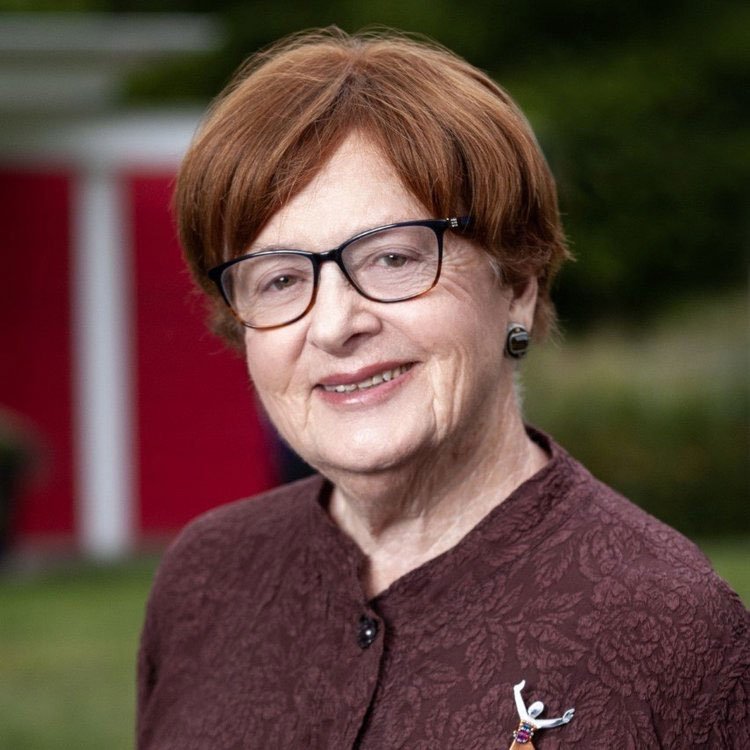
Mimi Schwartz is an award-winning author whose books include Good Neighbors Bad Times Revisited (2021), When History is Personal (2018), Thoughts from a Queen-Sized Bed (2002) and Writing True, the Art and Craft of Creative Nonfiction (2006). For more information, go to www.mimischwartz.net. Mimi is also a long-time member of Seniors Onstage, a documentary theater ensemble that gathers and performs stories in New Jersey libraries, senior centers, prisons, schools and in regional theaters. She is Professor Emerita in Writing at Richard Stockton University, where she taught creative nonfiction, memoir, and essay writing for 25 years.
“I joined the People & Stories Board because I believe in the power of sharing short stories to leap over our walls of difference onto common ground of empathy and tolerance.”
Cathryn is currently serving as an independent pharmaceutical consultant after spending 28 years as a medical executive across the pharmaceutical and biotech industries. Previous to that, she practiced psychiatry and conducted research into new antidepressants. Cathryn has served as a board member and officer across multiple not-for-profit organizations, most recently, the Foundation Board for Mercer County Community College, where she served as Treasurer.
“As a lifelong lover of literature, I was drawn to the mission of People and Stories which is to open doors to literature for new audiences, and by so doing, allow participants in our programs to connect their own life experiences to the universal themes found in great literature.”
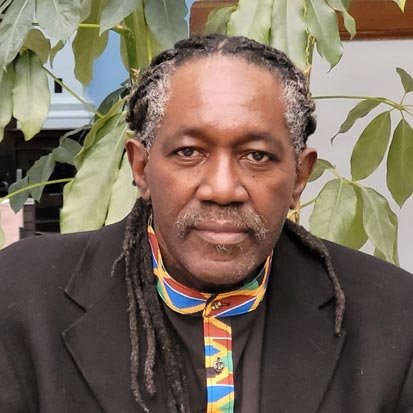
Jondhi Harrell is the Founder and Executive Director of the TCRC Community Healing Center (The Center for Returning Citizens) in Philadelphia. TCRC-CHC offers comprehensive referall services for prisoners and formerly incarcerated people in the areas of re-entry, pre-entry, direct services, advocacy, healing from the traumas of mass incarceration and gun violence. TCRC-CHC through a partnership with sharefoodsprogram.org. serves the Philadelphia Community with a food pantry that feeds on average 12 to 14,000 individuals, 3,000 families monthly, TCRC-HC holds pop-up food giveaways, community clothing drives and book giveaways for children.
Jondhi is a veteran of 25 years of mass incarceration and plays a leadership role in numerous organizations.
Jondhi is a Political & Community Activist, working on the successful campaigns in Philadelphia & statewide.
He is a frequent guest lecturer on the topics of Mass Incarceration, Social Injustice, and Re-building Black America at universities, colleges, churches, organizations and community events.
Upon his release in 2009 Jondhi attained a Bachelor’s Degree in Human Service Management from the University of Phoenix (2012) and is a JustLeadershipUSA Fellow (2016 Cohort), member of the Policy Committee of FCNL (Friends Committee on National Legislation), and the Ujima Friends Peace Center. He also serves on the Board of “Beyond the Bars” a nonprofit organization that teaches music to urban youth that have been impacted by mass incarceration criminal injustice and gun violence
“My motivation to be on the board of directors for “People and Stories” is simple. I am and have always been a storyteller. I believe that telling stories is one of the most effective means of communication that exists. Stories captivate, entrance, illuminate and inspire the mind, soul and spirit. Storytelling is an art form that is accessible to virtually everyone if they organize their thoughts and deliver a narrative that strikes chords within others. Storytelling is an age old method of transferring knowledge, culture, living patterns and modes of survival. Through stories we glimpse the past, navigate and better understand the present, while preparing for the future. I am proud to be on the Board of an organization dedicated to storytelling.”
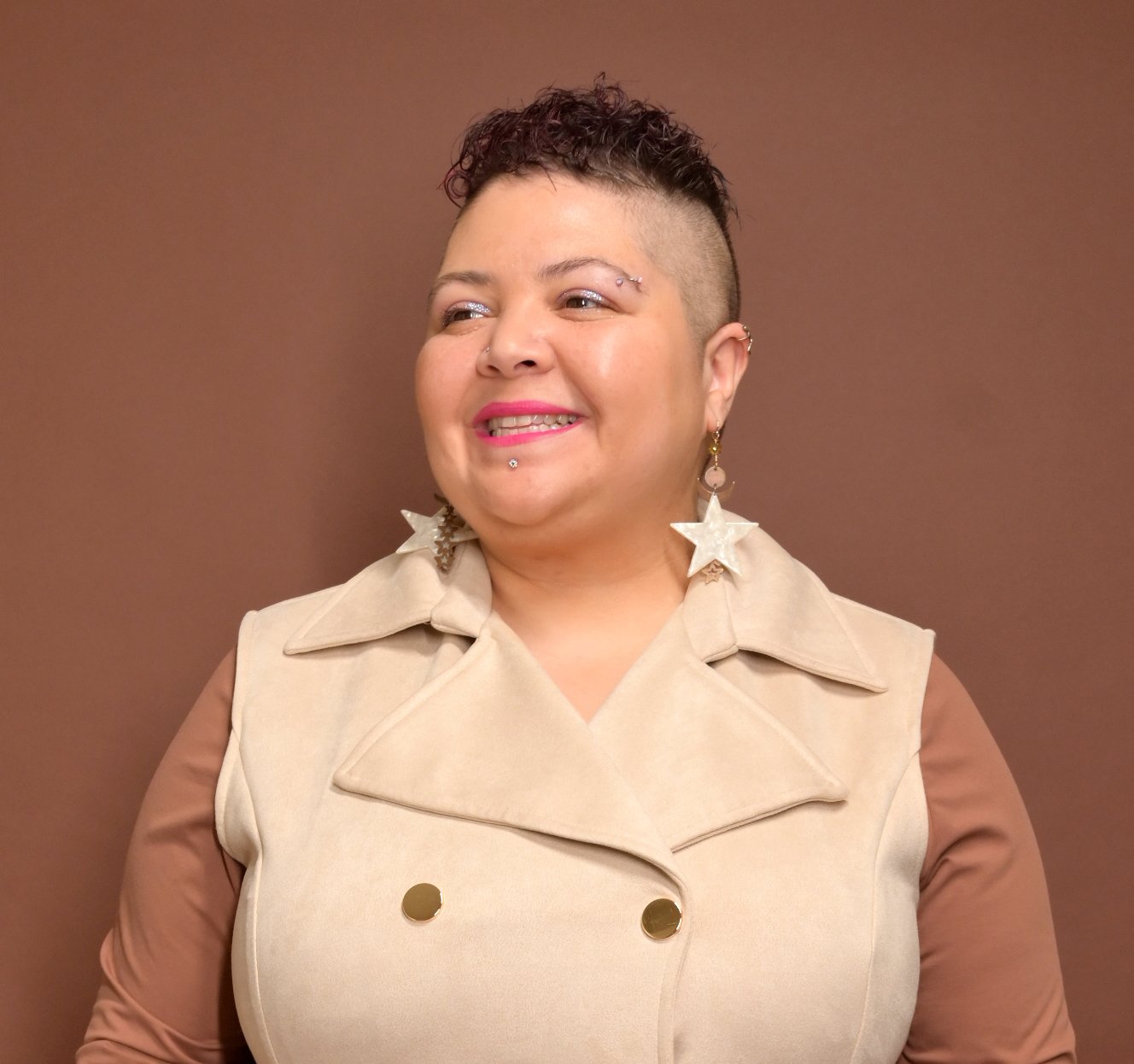
Newark, NJ native Ysabel Y. González, received her BA from Rutgers University, an MFA in Poetry from Drew University, and serves as Producer, Poetry & Social Impact at the New Jersey Performing Arts Center and Dodge Poetry. Previously, she has also worked at Princeton University’s Lewis Center for the Arts, and Rutgers, The State University of New Jersey New Jersey. Ysabel has received invitations to attend VONA, Tin House, CantoMundo and BOAAT Press workshops. She is a Pushcart Prize nominee, author of Wild Invocations (Get Fresh Books, 2019) and Sing This Body Out (forthcoming 2026, FlowerSong Press). Visit www.ysabelgonzalez.com for more.
“I joined the Board of People & Stories/Gente y Cuentos because of its long resolve to support vulnerable communities--communities that treasure storytelling and poetry. It provides a safe place to explore conversations around shared experiences and humanity. This kind of work leads to great social impact, and upholds values that I hold dear, including tying the literary arts to learning how to better be in service to each other and our great communities. It was a gift to be able to facilitate a poetry workshop, many years ago, at Bo Robinson Correctional Facility and was a special experience I will never forget. I'd love to be able to gift back my expertise in the literary arts and narrative change work to People & Stories, to support the organization's power in storytelling and lift up the work that the organization is doing throughout New Jersey.”
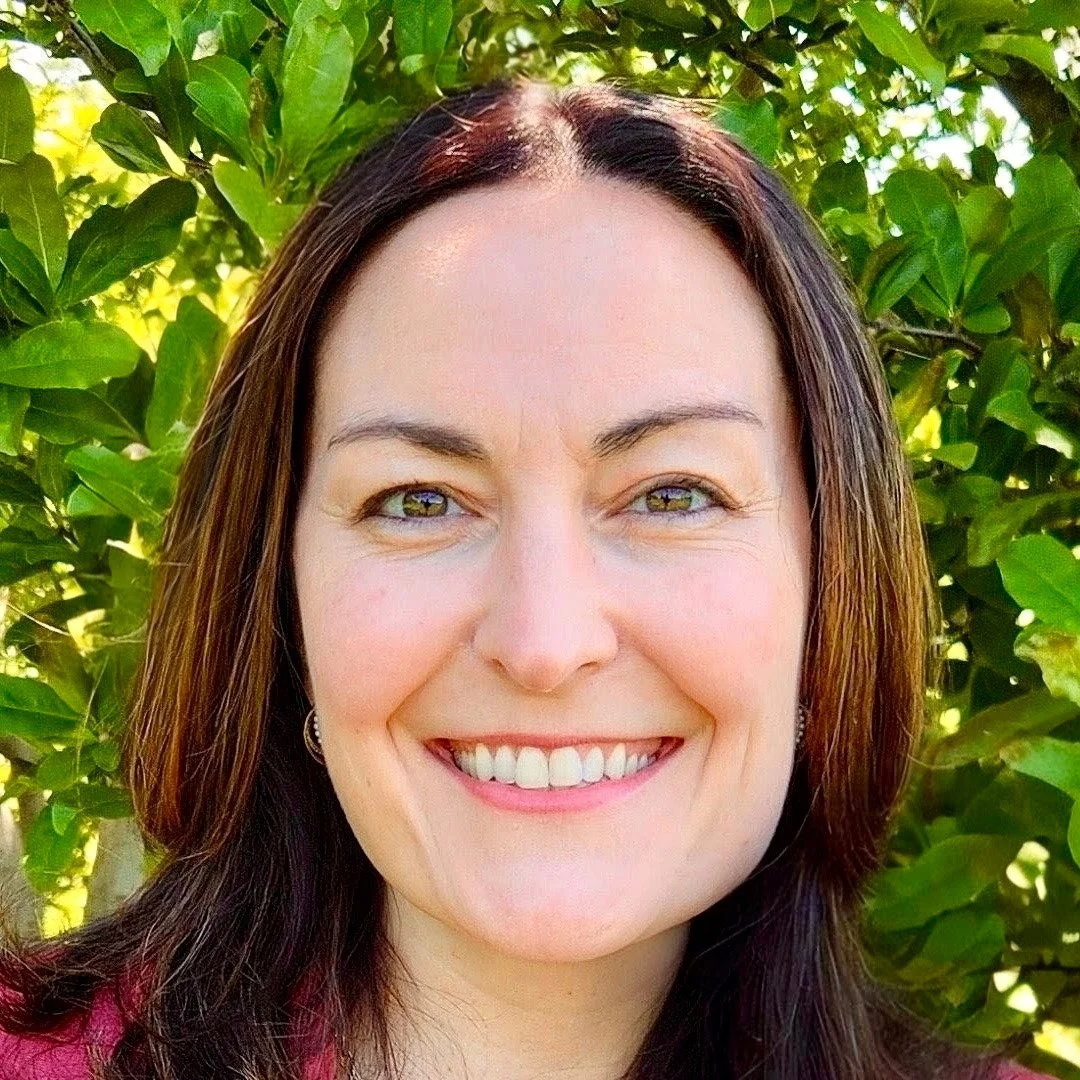
Teresa began with P&S/GyC in 2024 as a Coordinator, and continues to serve in this capacity by leading successful programs in Trenton at our partner site, The Father Center. She later added the role of Administrative Assistant with P&S/GyC, and now supports the organization as the Executive Assistant. Prior to working with P&S/GyC, she taught 6th-8th grade English/language arts for over a decade at The Cranbury School. She still teaches part-time, both as an instructor with Pacific Preparatory and as a private tutor. She holds an M.S.Ed. in Adolescent English Education from St. John’s University and a B.F.A. in Drama from NYU. Teresa can be reached at teresa@peopleandstories.org.
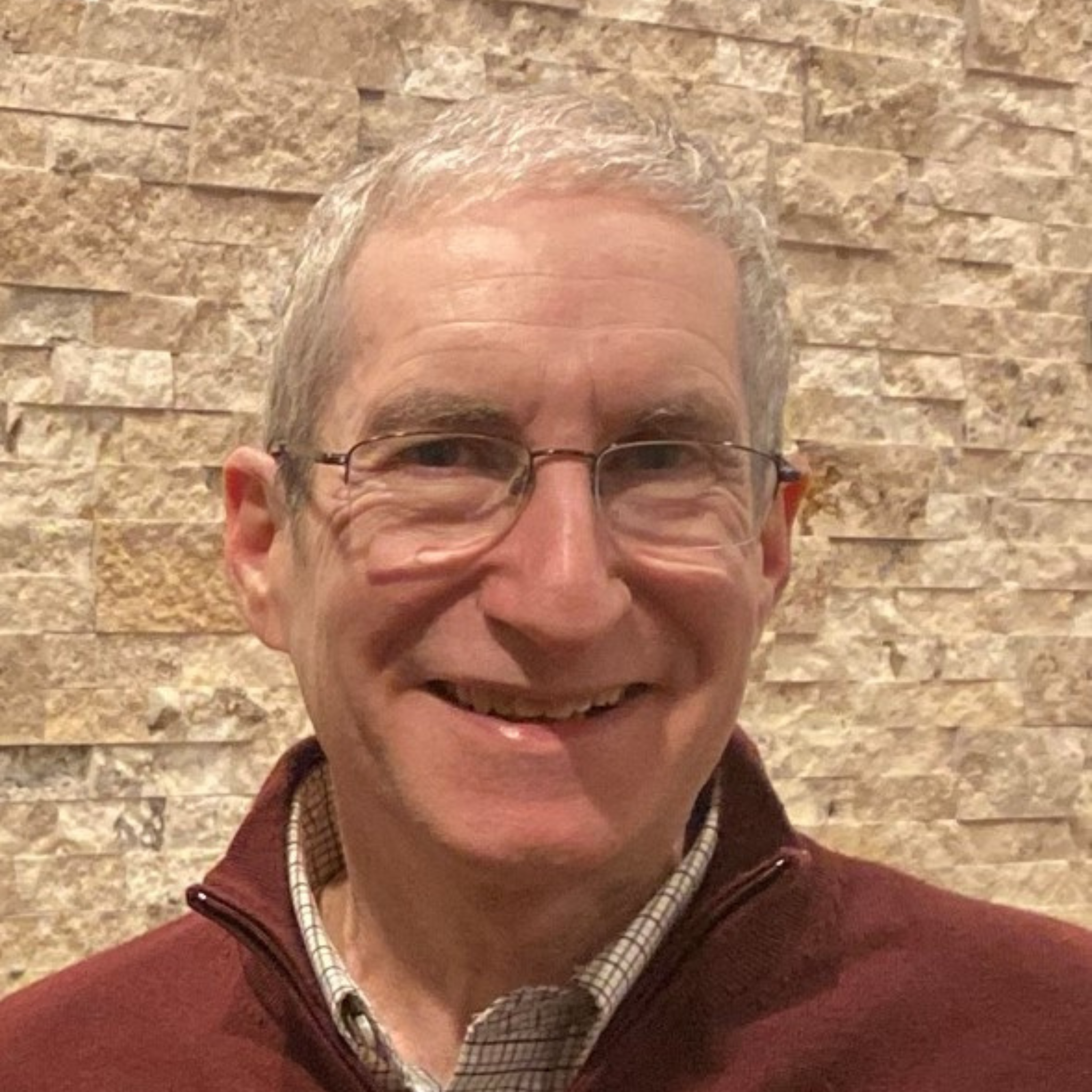
Wayne plays a major role in developing and maintaining the People and Stories website. He also provides support for other technical aspects of the organization. When not working on computer systems (for People and Stories and other not-for-profits), he teaches English As A Secondary Language to adults (through Oakton College in Skokie, IL). In his free time he makes quilts and other art from fabrics.